
What is Traditional Marketing?
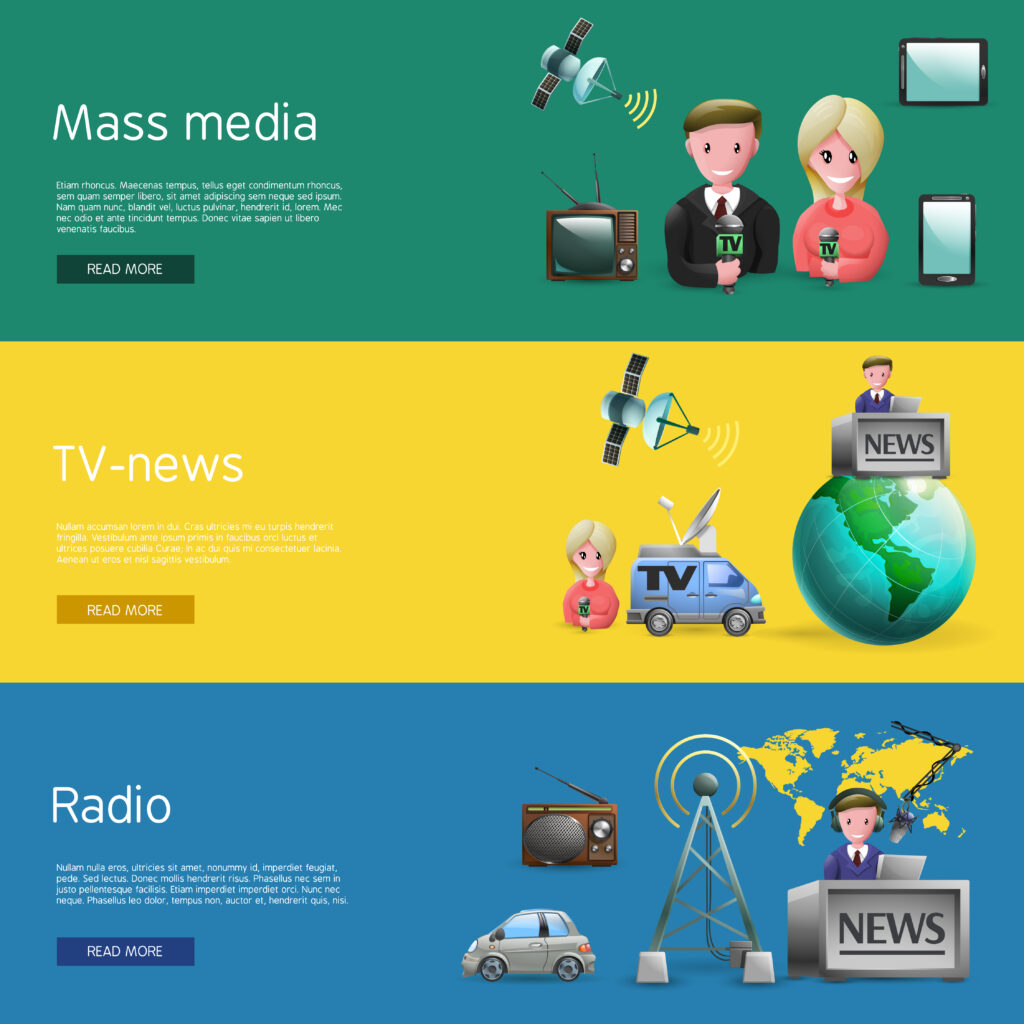
Traditional marketing refers to offline promotional methods used before the internet became dominant. It includes print, broadcast, direct mail, and outdoor advertising.
Examples:
- Newspaper and magazine ads
- TV and radio commercials
- Flyers, brochures
- Billboards
What is Digital Marketing?
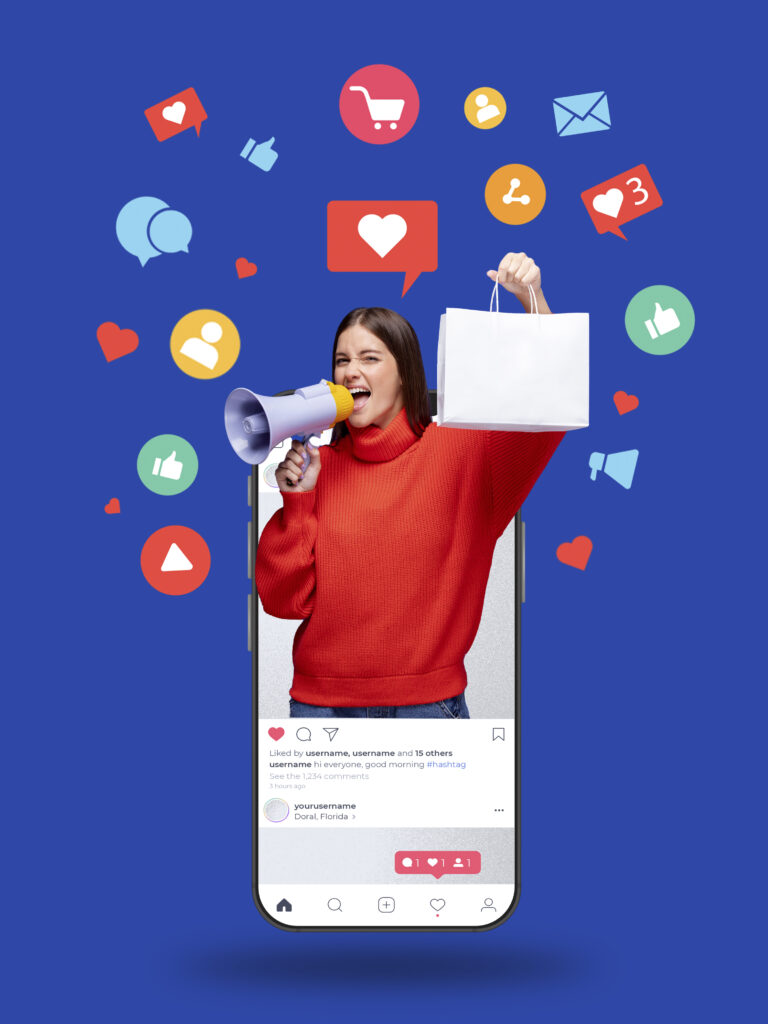
Digital marketing is the promotion of products or services through online channels and digital technologies.
Examples:
- SEO (Search Engine Optimization)
- Social media marketing
- Email marketing
- Google Ads and online banners
Channels used for Traditional Marketing and Digital Marketing
| Type | Traditional Marketing | Digital Marketing |
| Print Media | Newspapers, Magazines | Blogs, E-books |
| Broadcast Media | TV, Radio | YouTube, Podcasts |
| Outdoor | Billboards, Posters | Website banners, Digital screens |
| Direct | Mailers, Flyers | Email, SMS, WhatsApp |
| Events | Seminars, Trade fairs | Webinars, Virtual conferences |
Targeting Audience
Traditional Marketing
- Targeting is broad and generic.
- Based on geography, language, or channel (e.g., local newspaper).
- Limited personalization.
- Allows precise targeting using data like:
- Age
- Gender
- Interests
- Online behavior
- Location
- Custom audiences and lookalike audiences can be created.
Expense serves as a primary difference between traditional and digital marketing. Television commercials, billboards, and other traditional forms of marketing require significant budgetary allocation due to their higher production and distribution costs. These advertisement placement costs are inflexible, meaning that there is no room to cut costs. In contrast, spending on digital marketing is completely scalable and starts at only ₹100/day for Facebook ads. Furthermore PPC and CPM models enable even more control over spending while focusing efficiency
The levels of engagement also differ in both types of marketing. With the use of traditional marketing tools, communication flows in one direction only from the brand to the audience. There is no interaction or feedback in real time, making it virtually impossible to measure emotional or behavioral responses. On the contrary, digital marketing allows two-way interactions through comments, shares, reviews, and direct messages which makes real-time community engagement possible.
Traditional marketing has its drawbacks, particularly in measuring ROI (Return on Investment) . With traditional techniques, tracking return is impossible. In contrast, digital marketing offers measurable ROI through click rate (CTR), website visits, bounce rates, conversions, and many more real time metrics. Platforms like Google Analytics add tremendous value by giving unlockable insights that can be acted upon immediately to enhance performance.
In terms of speed and flexibility , the modern methods of marketing greatly outperform the first strides of marketing such as brochures or word of mouth. Production/distribution and allocation of resources requires too much budget making cost efficiency hard to meet. Sticking with conventional methods would lead to slow results and minimal reach. Digital marketing allows for content to be accessed anywhere globally, exponentially increasing access at unprecedented speeds. Further still, ad content can be paused or edited in real-time during performances instantaneously enhancing control over access.
Considering shelf life, physical marketing materials like brochures and print advertisements have a finite relevance period accompanied by a specific timeframe during which their tangibility matters. In contrast, blog posts, YouTube videos, and infographics represent digital content that has the potential to be evergreen as long as they reside on the internet. Furthermore, these pieces can always be updated or repurposed for more efficient utilization in future campaigns.
Last but not least, regarding personalization and customization, traditional marketing strategies target consumers based on broad demographics using fixed messaging. With options like behavior-triggered emails (or), dynamic product ads personalized for individual users (and) A/B testing tailored campaigns intended for specific users , digital marketing makes it possible to optimize user engagement while maximizing campaign performance through tailored experiences.